License
Copyright © 2014 Michael Schloh von Bennewitz Permission is granted to copy, distribute and/or modify this document under the terms of the GNU Free Documentation License, Version 1.3 or any later version published by the Free Software Foundation; with no Invariant Sections, no Front-Cover Texts, and no Back-Cover Texts. A copy of the license is included in the document entitled “fdl-1.3.txt”
Interfacing With
Mobile IoT Nodes

Building network embedded IoT devices with JavaScript
Presented by: Michael Schloh von Bennewitz
Download at: dev.europalab.com/iotintmob/
In this hour…
- Market expansion and growth
- Hardware and software overview
- Embedded and mobile complement
- IoT messaging and communication
- A word from developers at Intel
- Example JavaScript developer tools
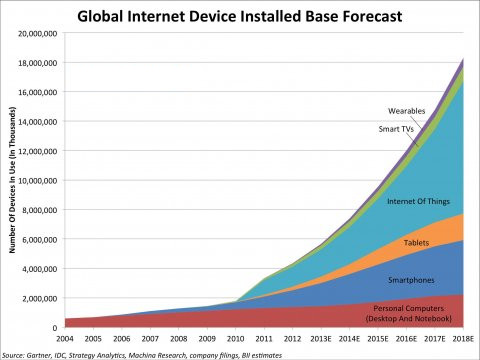
Market growth
- IDC: $8.9 trillion market in 2020
- Gartner: 26 billion IoTs by 2020
- ABI Research: 30 billion IoTs by 2020
- Technology providers growing deal size
Market growth
Web history
- Web 1.0
- Web 2.0
- Social web
- Mobile web
- Ubiquitous web
IoT platforms
- Arduino shields
- Galileo, Edison
- Raspberry, Cubie
- OS layer, Yocto
- Application layer
IoT platforms
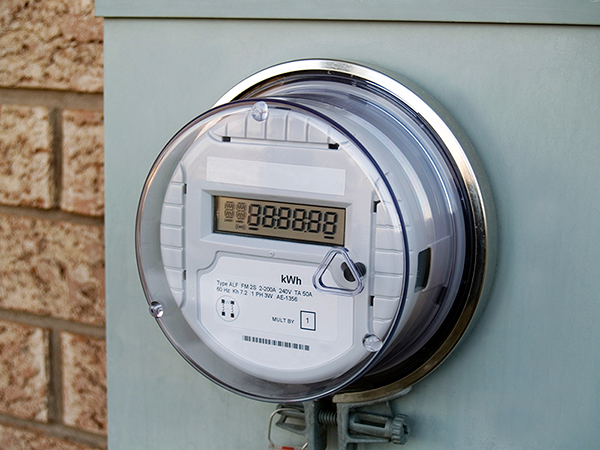
IoT platforms
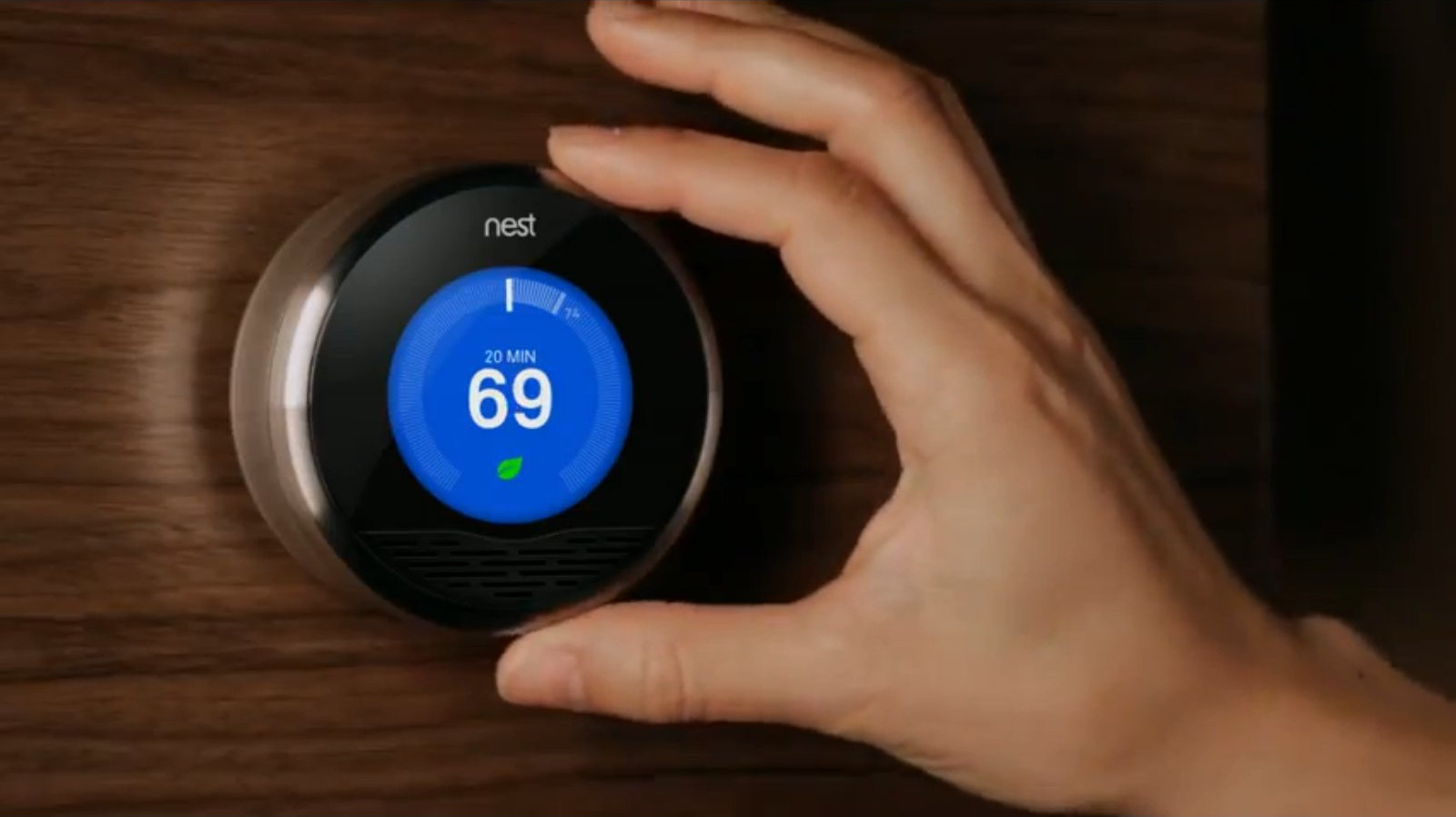
IoT platforms
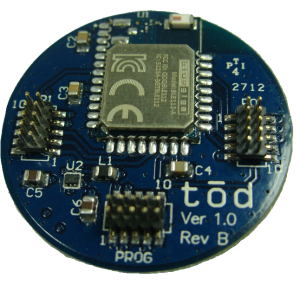
IoT platforms
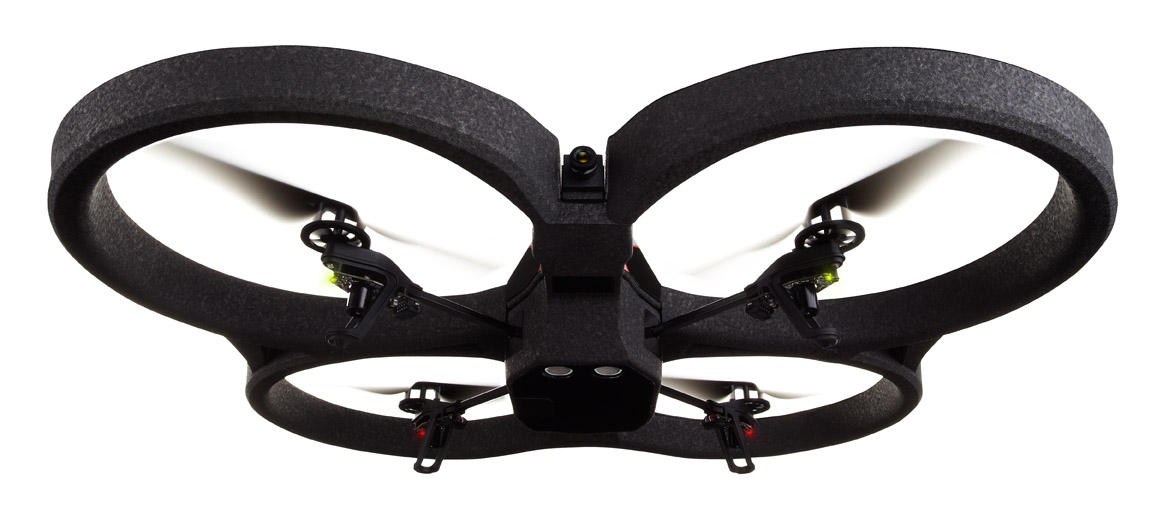
IoT platforms
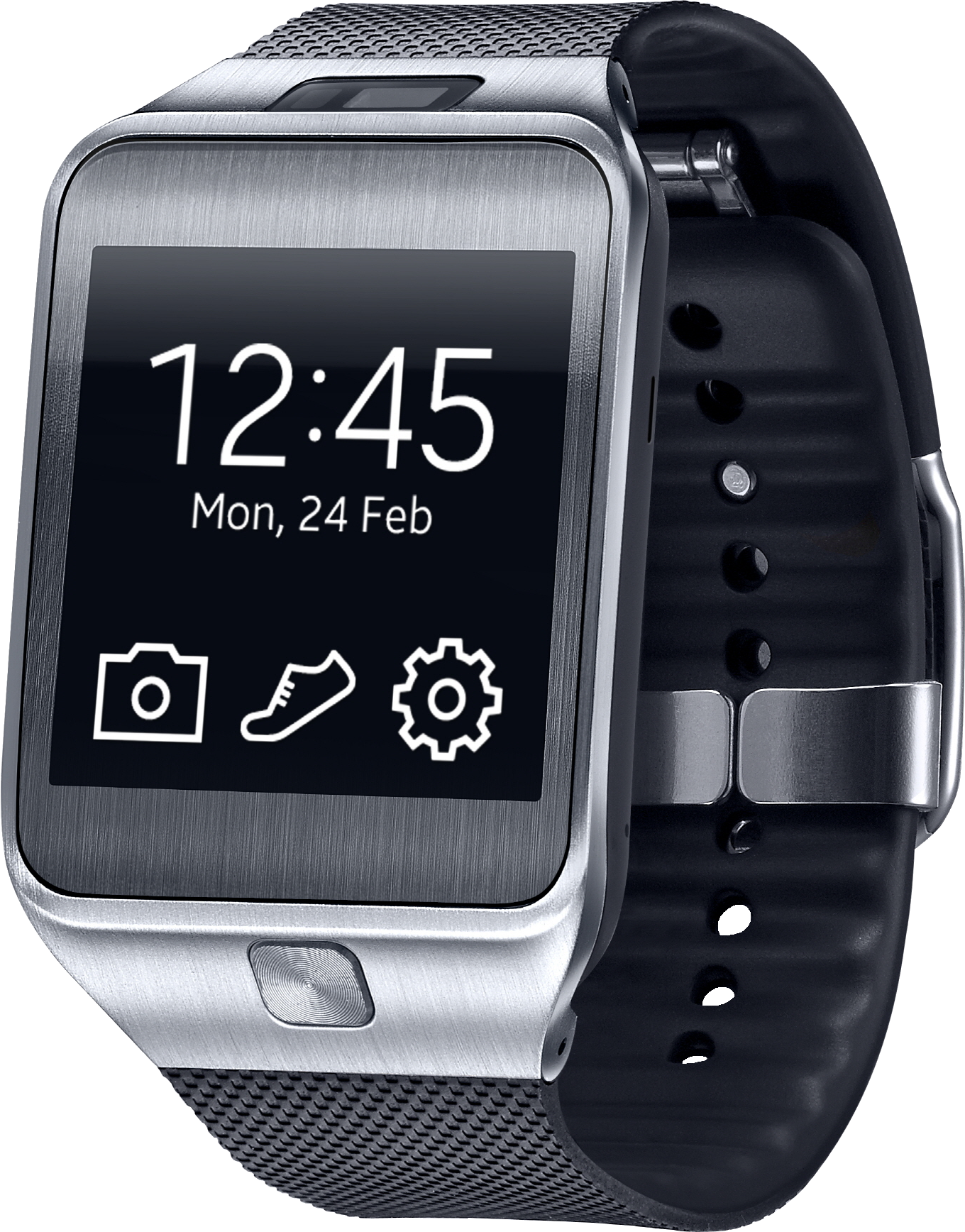
IoT platforms
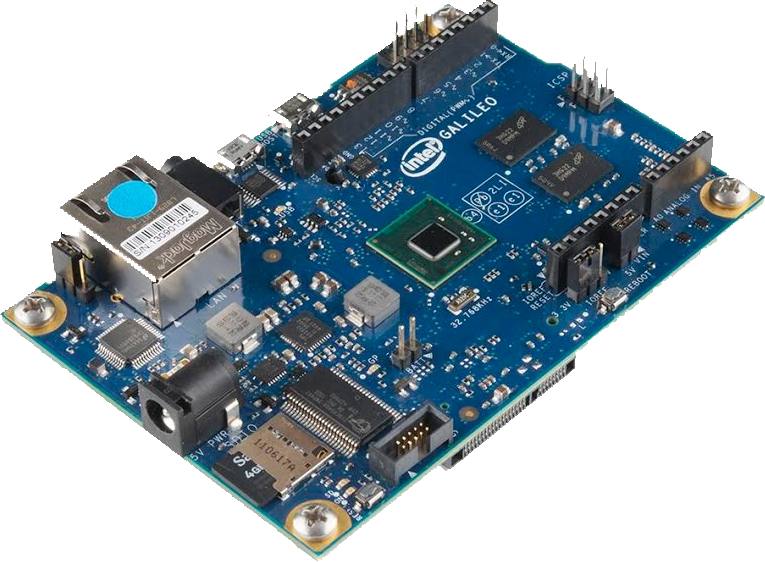
IoT platforms
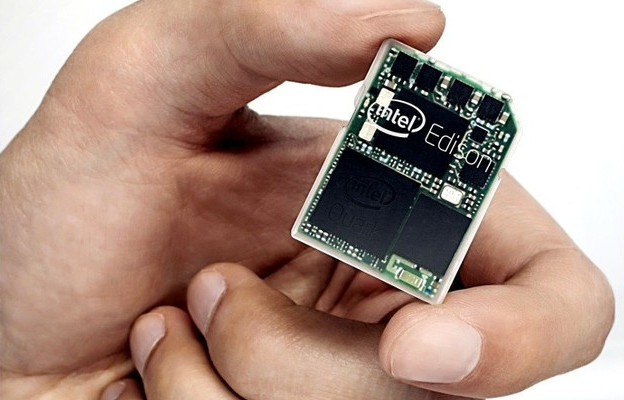
IoT platforms

Mobile complement
- Defining a IoT
- Redefining mobile
- Case study Yocto/Galileo
- Case study Tizen/Phone UX
IoT messaging
- Star mesh topologies
- WiDi, NFC, and IPv6
- MQTT, nesting, QoS
- Skynet framework
- SIP, XMPP?
JavaScript dev tools
- NodeJS
- JQuery
- Google V8
- Intel XDK
Welcome special guests

Live demonstrations

Really dumb NodeJS code sample
// Load HTTP module
var httpmod = require('http');

// Create HTTP server
httpmod.createServer(function (req, res) {

// Content header
res.writeHead(200, {'content-type': 'text/plain'});

// Write message and signal communication is complete
res.end("Hello, Tizen World!\n");
}).listen(8088);

// This presentation is very boring
console.log('Server running on 8088');
Run this NodeJS code on your smartphone!
MQTT JavaScript code sample 1
// Simple publish client

var mqtt = require('mqtt'), locli = mqtt.createClient();
locli.publish('messages', 'Mqtt');
locli.publish('messages', 'is pretty cool');
locli.publish('messages', 'remember that!', {retain: true});
locli.end();
Publishing messages via MQTT to the broker
MQTT JavaScript code sample 2
// Simple subscribe client

var mqtt = require('mqtt') , locli = mqtt.createClient();
locli.subscribe('messages');
locli.publish('messages', 'Hello from me!');
locli.on('message', function(topic, message) {
  console.log(message);
});

// disable automatic reconnect
locli.options.reconnectPeriod = 0;
Subscribing to topics via MQTT from the broker
Human controlling the IoT or…
nodes controlling the human?

Skynet (http://www.skynet.im/)
NodeJS (http://www.nodejs.org/)
Galileo (http://maker.intel.com/
Thanks to Intel for sponsorship